















Lazy Dog
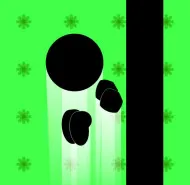
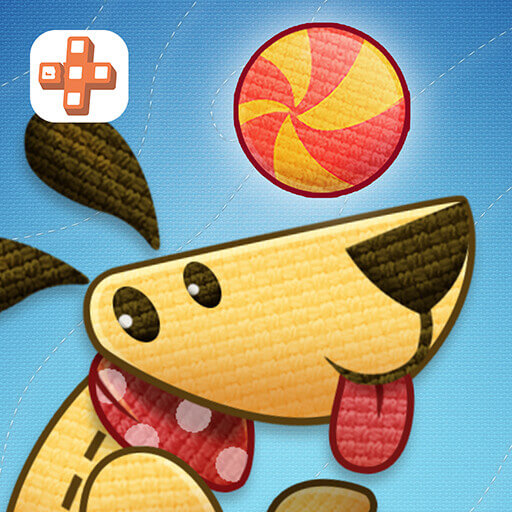
Lazy Dog is a physics puzzle game where you guide a small dog’s ball to the goal by drawing ropes and simple lines. At first, it feels almost relaxing. You just sketch a path, adjust the angle a bit, and let gravity do the work. Nothing complicated, nothing stressful.
Then the game starts to tighten its grip.
A run that looked perfect suddenly fails because the ball clips a corner you didn’t think mattered. Or it rolls just a little too far because your line was off by a few degrees. It’s never dramatic. Just small mistakes that quietly reset everything.
Just One More Run Energy
Lazy Dog online builds its replay loop through near-success moments.
You’ll watch the ball follow your path almost exactly how you planned it. It reaches the final stretch… then misses by a tiny margin. Not a total failure. Just close enough to make you try again immediately.
Restarts are instant, so there’s no real pause between attempts. You don’t sit and reflect much. You just redraw the line, slightly adjust the angle, and go again.
After a while, it stops feeling like “trying again” and starts feeling like “fixing something you were almost right about.” Even when you stop playing, your brain keeps replaying the last mistake like it owes you a correction.
High Score Obsession
- You don’t really “clear” levels - you refine them
- Missing a few bones pushes you to replay stages
- Paths start to feel “messy” if they aren’t efficient
- You begin optimizing routes instead of just finishing them
- Each replay is less about progress, more about improvement
Controls
- Draw lines or ropes to guide the ball
- Adjust angle and placement before releasing
Why Lazy Dog Game Keeps You Playing
What makes the Lazy Dog sticky isn’t difficulty spikes or new mechanics. It’s how quickly everything resets.
You fail, and you’re immediately back at the start. No waiting, no buildup. Just another attempt.
Some runs feel painfully close to perfect, which makes stopping feel wrong. Levels are short enough that retrying doesn’t cost anything except attention. And because improvements are always visible - slightly smoother path, slightly better timing - you keep chasing the next clean version of a run you already “almost solved".